

Key Takeaways
- Colorado’s high elevation and dry air can pull moisture from your eyes faster than you’re used to.
- Strong UV rays, wind, and bright snow glare can all lead to irritation or discomfort.
- Symptoms like grittiness, redness, and blurred vision often mean your eyes need extra care.
- Sunglasses, eye drops, and a humidifier can help your eyes adjust to the climate.
- An eye doctor in Colorado Springs can help you address symptoms that don’t improve on their own.
It’s Important to Take Care of Your Eyes
You step outside on a sunny Colorado afternoon and your eyes soon start to feel dry and gritty. It’s not just you! Colorado’s high altitude and dry climate can reduce moisture in your eyes, increase UV exposure, and lead to irritation, so protective habits and regular eye exams help keep your eyes comfortable and healthy.
Our team at Eye Care Center of Colorado Springs is here to help you keep your vision comfortable.
Why Colorado’s Elevation Puts Stress on Your Eyes
Colorado sits at an average elevation of about 6,800 feet, with many cities, including Colorado Springs, perched well above sea level. At this height, the air holds less oxygen and less moisture than what you’d find in a lower, more humid climate.
Your eyes rely on a thin layer of tears to stay comfortable and clear. When the air around you is dry, your tear film evaporates faster than usual, which can leave your eyes feeling parched.
How Long It Takes Your Eyes to Adjust
Everyone adjusts to Colorado’s climate at a different pace. Some people notice that their symptoms ease within a few days, while others need more time or a few habit changes before their vision feels normal.
- Adjustment time can range from a few days to a few weeks depending on the person.
- Symptoms often improve once your body gets used to the lower moisture and oxygen levels.
Common Eye Problems Linked to Colorado’s Climate
Dry, Windy Air & Your Eyes
Wind is a regular part of life in Colorado, and it does more than just mess up your hair. Wind speeds up tear evaporation, which can leave your eyes feeling scratchy or sore after spending time outdoors. It also contains dust and pollen that can contribute to irritation.
Strong UV Rays & Sun Exposure
At higher elevations, there’s less atmosphere to filter out UV rays. The sunlight hitting your eyes in Colorado is often stronger than what you’d experience at sea level, even on a mild day.
- Unprotected UV exposure over time may raise your risk of cataracts.
- UV exposure can also contribute to surface growths on the eye.
Snow Blindness & High Altitude Retinopathy
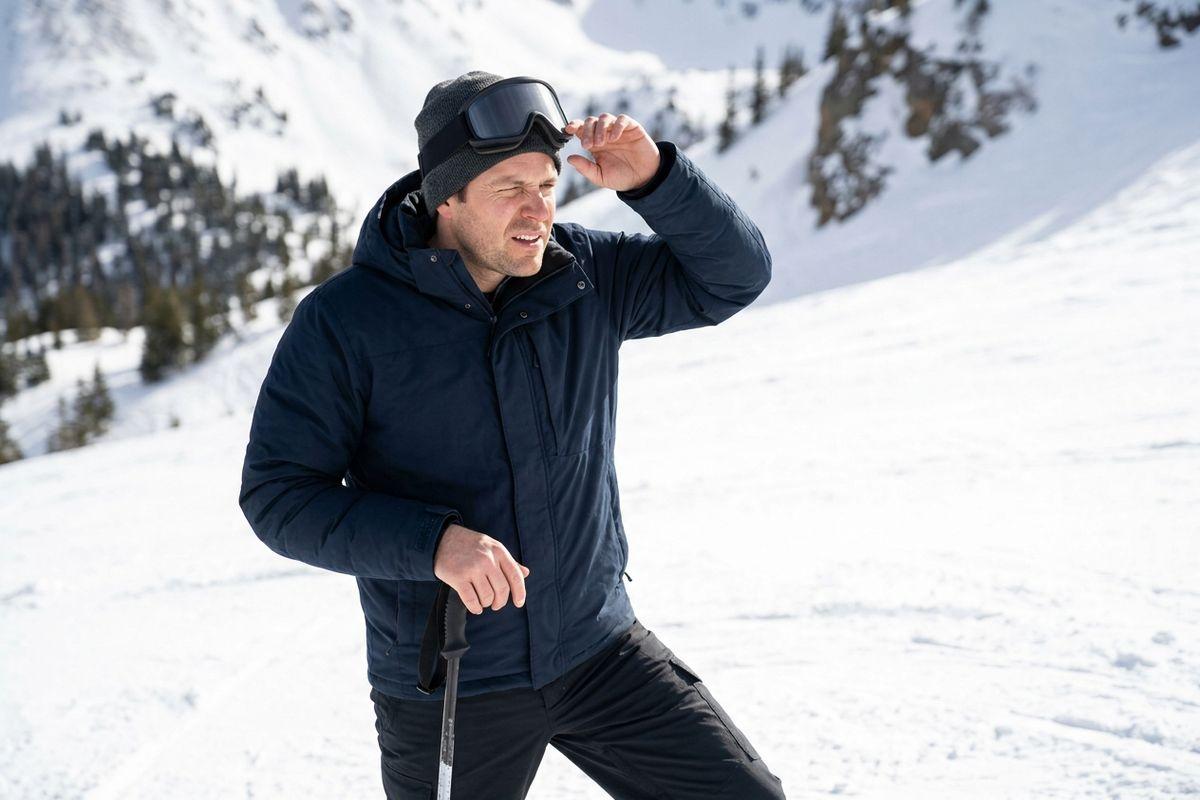
Winter brings its own set of challenges. Bright sunlight reflecting off snow can overwhelm your eyes and even cause temporary vision loss known as snow blindness. For some people, rapid changes in elevation can even cause small bleeds in the retina.
Signs Your Eyes Are Reacting to the Climate
Your eyes tend to send clear signals when they’re struggling with dry air, wind, or sun exposure. Paying attention to these signs early can help you respond before things get worse. Look for:
- A gritty, burning, or scratchy feeling on the surface of your eyes.
- Redness, watering, or blurred vision that comes and goes.
- Light sensitivity or eyes that feel tired after being outside.
Ways to Protect Your Eyes in Colorado
Outdoor Habits That Help
A few simple habits can make a big difference when you’re spending time outside in Colorado’s climate.
- Wear wrap-around sunglasses or goggles to block wind and UV rays from the sides.
- Carry lubricating eye drops to use whenever your eyes start to feel dry.
- Stay hydrated throughout the day, since your whole body, including your eyes, needs extra fluid at altitude.
Indoor & Daily Adjustments
Protecting your eyes doesn’t stop when you head indoors. Small changes at home and during screen time can help your eyes stay comfortable.
- Use a humidifier at home to add moisture back into dry indoor air.
- Follow the 20-20-20 rule, looking at something 20 feet away for 20 seconds every 20 minutes.
- Blink often during screen use to help spread tears evenly across your eyes.
When to See an Eye Doctor in Colorado Springs
Climate-related eye irritation often improves with basic care, but some symptoms are worth a closer look. If dryness, redness, or discomfort sticks around after a few weeks of home care, it’s worth visiting your optometrist. Regular eye exams help catch changes early, before they turn into bigger problems.
Other Altitude Symptoms to Watch For
Eye-related symptoms sometimes show up alongside other altitude-related signs. If you notice the following along with eye discomfort, it may point to how your body is adjusting to elevation overall:
- Headaches that seem tied to changes in elevation.
- Shortness of breath or muscle weakness during activity.
Paying attention to dryness, sun exposure, and wind can help you stay comfortable all year long. However, if your symptoms aren’t easing up, our team at Eye Care Center of Colorado Springs can take a closer look and help you find relief. Schedule an appointment today to keep your eyes comfortable no matter what the Colorado sky throws at you.