
Key Takeaways
- Blurry vision, squinting, and light sensitivity often mean your prescription needs an update.
- Eye strain, headaches, and trouble seeing at night can signal changes in your vision.
- Scratched lenses or bent frames can affect how well you see, even with the right prescription.
- An eye exam every 1 to 2 years helps catch changes before they affect your daily life.
Blurry Vision Should Mean a Visit to Your Eye Doctor
You put your glasses on every morning without thinking twice. Then, one day, the words on your phone look fuzzy, or the drive home at night feels harder than it used to. Small changes like these can creep up slowly, making it easy to miss the signs until they start affecting your day.
If your vision feels off, you’re squinting more, or your eyes feel tired by midday, it may be time for a new glasses prescription. Our team at Eye Care Center of Colorado Springs can help you find a pair that corrects your vision while complementing your style.
Common Signs Your Glasses Prescription Has Changed
Your glasses should let you see clearly without effort. When they stop doing that job, you may experience symptoms like:
- Blurry vision even with your glasses on
- Frequent squinting to focus
- Light sensitivity indoors or outdoors
How Eye Strain & Discomfort Signal a Change
Sometimes the signs aren’t about what you see, but about how your eyes feel.
Tired or Achy Eyes
Your eyes work harder to focus when your prescription no longer matches your vision. That extra effort can leave your eyes feeling heavy or sore, especially after screen time. If eye strain lingers well after you’ve stopped reading or working, that’s your eyes telling you that you’re working them too hard.
Frequent Headaches
Headaches that show up behind your eyes or around your temples can point to vision that’s out of focus. Pain that builds up as the day goes on, especially by afternoon, is also a pattern worth mentioning to your eye doctor.
Vision Changes That Affect Daily Life
Trouble With Night Vision
If your prescription is out of date, headlights that seem to bloom into halos or glare can make nighttime driving stressful. At the same time, street signs that used to be easy to read may now blur together before you’re close enough to react.
Double Vision or Eye Misalignment
Seeing two overlapping images instead of one is something that you shouldn’t brush off. Double vision can point to an underlying eye issue that goes beyond needing a new prescription, so it’s worth bringing up at your next appointment.
You Hold Things Closer to See
If you find yourself holding your phone at arm’s length or moving a menu closer to read the fine print, your near vision may be shifting. This is a common sign of an age-related vision shift, and it often shows up gradually.
Glasses Condition & Lifestyle Factors to Consider
Not every vision problem starts with your eyes. Sometimes the problem lies with your glasses themselves.
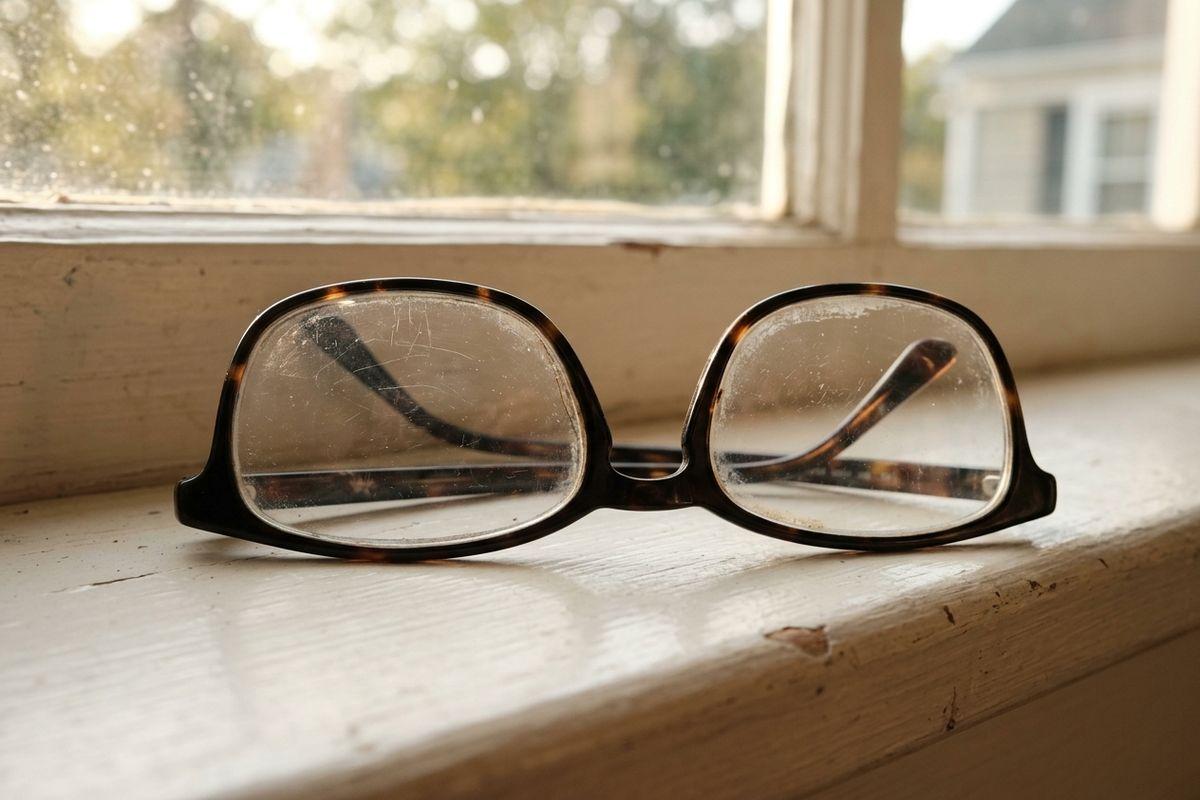
- Scratched lenses or worn coatings can blur your vision even with the right prescription.
- Bent frames that sit at the wrong angle can throw off your focus.
- A new job or hobby may call for different lenses than what you’re used to.
If your glasses have seen a few years of wear, it’s probably the right time to check that both your frames and prescription are meeting your needs.
When to Schedule an Eye Exam in Colorado Springs
An eye exam every 1 to 2 years helps you stay ahead of changes you might not notice on your own. During your visit, your doctor checks both your vision and your overall eye health.
Schedule your appointment today with our team at Eye Care Center of Colorado Springs and see the difference clear vision can make.