
Nearsightedness is becoming more common, and for many children, it starts early and gradually worsens. If your child squints to read the board at school or you find yourself struggling to see street signs clearly, myopia could be the reason. Myopia happens when the eye grows too long from front to back, which blurs distance vision and can worsen during childhood and the teen years.
To help prevent myopia from rapidly progressing, you can manage daily lifestyle habits and schedule regular visits with an optometrist. Over time, higher levels of myopia increase the risk of serious eye conditions such as retinal detachment and glaucoma. Diagnosing it early and taking steps to slow its progression makes a real difference for long-term eye health.
How Genetics and Daily Habits Impact Vision
If one or both parents have myopia, your child is more likely to develop it too. That genetic link is real, and it’s worth knowing about before vision problems become obvious. However, genetics is only one part of the picture.
Daily habits can speed up or slow down the progression of myopia. Even kids with a strong family history of nearsightedness can benefit from small lifestyle changes that support healthier eye development.
The Effects of Screen Time and Near Work
Spending long hours focusing on screens, books, or other close objects puts a steady strain on the eyes. When the eyes stay locked in on something nearby for too long without a break, it can contribute to faster myopia progression. It’s not just screens; anything that keeps your child focused up close for extended periods counts.
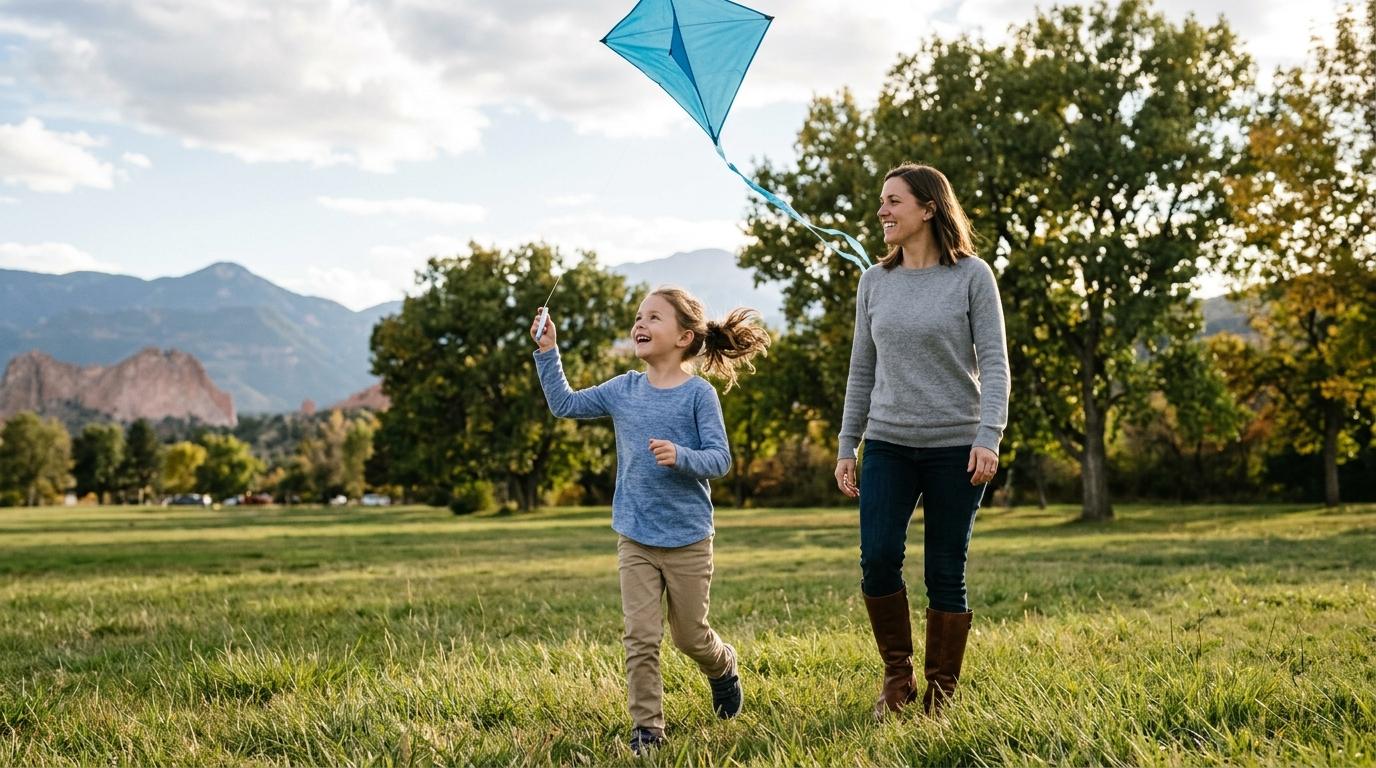
Make sure your child gets enough time outside. Kids who spend most of their day inside, especially doing near work, tend to see their myopia worsen more quickly than those who get regular outdoor time.
This is because natural light does something that indoor lighting simply can’t replicate. Exposure to daylight helps regulate how the eye grows. About 2 hours of outdoor time each day is a helpful target for children.
This doesn’t have to mean structured activity. A simple walk after school or time playing outside counts. Think of outdoor time as a simple, no-cost tool that fits into an everyday routine. It won’t replace other myopia management options, but it’s a meaningful habit to build early.
The 20-20-20 Rule
For every 20 minutes of near work, look at something 20 feet away for 20 seconds. That’s the 20-20-20 rule, and it’s one of the easiest habits to teach kids and adults alike. It gives the eyes a short reset from the constant effort of close-up focus.
Set a timer during homework time or after 20 minutes of tablet use. Those small breaks add up to help reduce the eye strain that comes with heavy near-work demands.
Lifestyle Habits That Support Healthy Vision
Building good daily routines goes a long way in protecting your child’s visual health and supporting their overall development.
Proper Reading Distance and Lighting
Holding a book or screen too close forces the eyes to work harder than they need to. Maintain a comfortable reading distance of roughly the length of a forearm. It’s a simple adjustment that makes a noticeable difference.
Good lighting matters too. Reading or doing close work in a dim room adds unnecessary strain on the eyes. A well-lit space lets the eyes do their job without extra effort.
Foods for Eye Health
Nutrients like vitamin C, omega-3 fatty acids, and lutein show up in foods like leafy greens, fish, and citrus fruits. Eat a balanced diet to give the eyes the building blocks they need.
Consistent Sleep
Consistent, quality sleep is another habit worth protecting. The eyes repair and recover during rest. Kids who lack rest may experience more eye fatigue during the day.
Protecting Your Child’s Vision for the Future
Yearly eye exams are one of the most practical things you can do for your child’s vision. An optometrist can track prescription updates over time and spot progression before it becomes a bigger concern. Early detection opens up more management options.
Myopia management tools like specialty contact lenses, atropine drops, and orthokeratology lenses are designed to slow the progression of myopia in children. The right option depends on your child’s age, prescription, and lifestyle. Your optometrist can help you understand what a personalized plan looks like and which options may be the right fit.
If your child has been squinting more, sitting closer to screens, or hasn’t had an exam in over a year, now is a good time to schedule an appointment with an eye doctor. Reach out to Eye Care Center of Colorado Springs to get started today!