
Key Takeaways
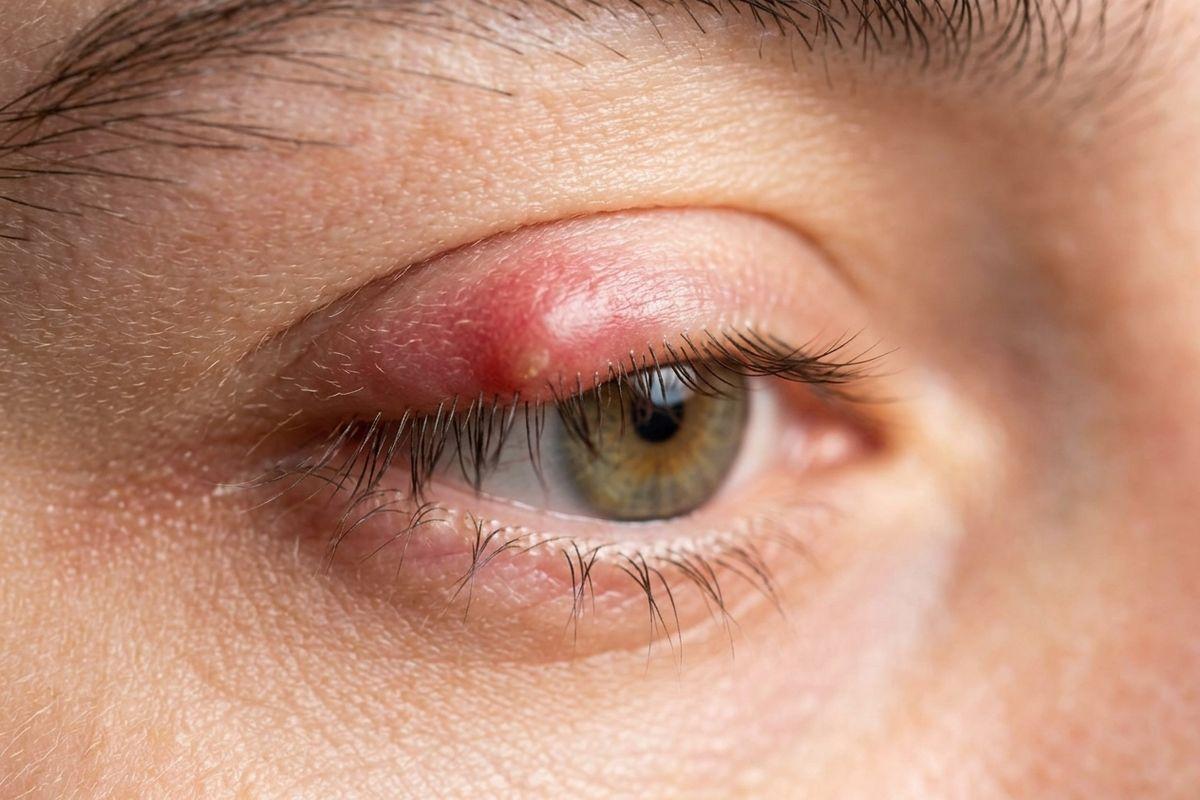
- A stye is a red, tender bump that forms along the eyelid, usually near the lash line.
- Blocked oil glands and bacteria often lead to a stye.
- Warm compresses can help a stye heal faster at home.
- Avoid popping a stye or wearing makeup and contacts while it heals.
- See an eye doctor in Colorado Springs if the bump affects your vision or does not improve after 2 weeks.
Styes Can Be Managed
You wake up, glance in the mirror, and notice a red, sore bump sitting on your eyelid. It stings a little when you blink, and touching it makes you wince. That small, uncomfortable lump has a name, and our team at Eye Care Center of Colorado Springs can guide you through simple steps to help it heal.
A stye is a red, swollen bump that forms on or near the eyelid, often caused by a blocked oil gland at the base of an eyelash. Many cases clear up on their own with home care within a couple of weeks, however, if your symptoms persist, a visit to your optometrist can help you find relief.
What Is a Stye
A stye is a red, swollen bump on your eyelid. It often feels like a small pimple that’s tender to the touch. Styes can form on the outside of the eyelid or, less often, on the inside where you can’t see them as easily.
Stye vs. Chalazion: What’s the Difference?
A chalazion forms deeper in the eyelid and is usually painless, even though it can still cause swelling. A stye, on the other hand, typically shows up right at the lash line and comes with noticeable pain or tenderness. Knowing which one you have can help you decide how to care for it.
What Causes a Stye?
A stye starts when an oil gland at the base of an eyelash becomes blocked. Bacteria, often a type called staph, are frequently involved in this process.
Common Habits That Raise Stye Risk
- Touching your eyes with unwashed hands
- Sleeping in contact lenses or leaving on old makeup
- Using dirty pillowcases or sharing washcloths
Conditions That Increase Your Risk
- Blepharitis or other eyelid inflammation
- Rosacea or seborrheic dermatitis
- Uncontrolled blood sugar levels
Signs & Symptoms of a Stye
Common symptoms of a stye include:
- Redness and tenderness on the eyelid
- Swelling that may spread across the eyelid
- A watery eye or sensitivity to light
How to Get Rid of a Stye at Home
Many styes respond well to home care. A warm compress is the main tool you’ll want to reach for. Here’s how to apply a compress to your eyes:
- Soak a clean washcloth in warm water
- Hold it against the closed eyelid for 10 to 15 minutes
- Repeat this 3 to 5 times a day
How to Help Your Stye Heal Faster
In order to help your stye heal faster, we recommend that you:
- Never pop or squeeze your stye
- Avoid wearing makeup and contact lenses before your stye heals
- Never share towels or pillowcases with others
Ways to Help Prevent Future Styes
- Wash your eyelids along the lash line daily
- Replace eye makeup every 6 months
- Rinse your eyelids after sweating or swimming
How Long a Stye Typically Lasts
Many styes clear up within a few weeks on their own. Warm compresses can help speed up the healing process.
When to See an Eye Doctor in Colorado Springs
Home care resolves many styes, but some situations call for a visit to your eye doctor in Colorado Springs. You should book a visit if:
- The stye affects your vision
- Symptoms get worse after 2 weeks
- The bump bleeds or becomes increasingly painful
Styes are often uncomfortable, but they’re manageable with a little patience and the right care at home. If your bump lingers, grows more painful, or starts affecting how you see, our team at Eye Care Center of Colorado Springs can take a closer look and help you find relief. Schedule an appointment today to get your eyelid checked out and get back to seeing clearly.