
If your eyes feel dry and tired by midday, you’ve probably tried everything to fix it. Maybe you’ve explored drops, adjusted your screen time, and still feel like something isn’t quite right. If that sounds familiar, our team at Eye Care Center of Colorado Springs wants you to know that you’re not alone, and there may be a treatment option you haven’t heard of yet.
Photobiomodulation, also called low-level light therapy (LLLT), is a noninvasive treatment that uses specific wavelengths of light to support cellular function and reduce inflammation. It’s an emerging technology being used to address conditions like dry eye and age-related macular degeneration (AMD).
The Basics of Photobiomodulation (PBM)
Photobiomodulation, or PBM, uses lasers or LED lights to deliver light energy to your tissue. Your cells absorb the light, which may help them to work more efficiently and repair themselves more effectively. Because it’s noninvasive, many patients can resume their day with minimal recovery time.
You may have heard of red light therapy, which is one specific type of PBM. However, PBM is a broader category that covers a wider range of wavelengths, each designed for different conditions and depths of tissue.
How Light Affects Your Cells
When light waves reach your cells, they interact with the tiny structures inside that produce energy. This boost in cellular energy may reduce inflammation and support the body’s natural repair process. You can think of it sort of like charging a battery.
This technology may support tissue recovery, which is why PBM has been applied to pain relief, wound healing, and now eye care. The key is matching the right wavelength to the right problem.
What PBM Treats and How It Works
PBM has been used across many areas of medicine, from joint pain to skin healing. In eye care, it’s gaining attention as a noninvasive option for conditions that don’t always respond well to drops or medications alone. Each condition requires its own specific wavelength and intensity settings to work as desired.
Different Wavelengths, Different Results
Not all light works the same way. Near-infrared light travels deeper into tissue, making it useful for deeper structures. Red, blue, and yellow light each work at different depths and interact with different cell types.
For eye care specifically, the wavelength used depends on the condition being addressed. Red and blue light are commonly used in dry eye therapies, while other wavelengths are being explored for retinal conditions like AMD. Getting that match right is important for treatment to work.
LLLT for Dry Eye: Red and Blue Light
Dry eye often comes down to two overlapping problems. First, inflammation around the eyelid glands can affect how well they produce the oils your tear film needs. Second, bacteria buildup along the lid margin can worsen irritation and disrupt gland function. Red and blue light target each of these problems directly.
Red light works to reduce inflammation in the eyelids and help the meibomian glands (the small glands responsible for producing the oily layer of your tears) function better. Blue light may help reduce bacteria on the eyelid margin that contribute to lid irritation and dryness. Together, they address dry eye from two different angles.
What to Expect During Dry Eye LLLT
A dry eye LLLT session is designed to be quick and comfortable. The device is applied around the eye area without any direct contact with the eye itself, so you shouldn’t feel heat or discomfort during the process.
Most people need a series of sessions before noticing a meaningful difference. Results tend to build gradually, so patience and consistency are part of the process.
Who Dry Eye LLLT May Help
If you deal with chronic dryness, gritty or burning eyes, or have been told your meibomian glands aren’t functioning well, LLLT could be worth exploring. It’s also a good option for people who haven’t found enough relief from drops alone.
An eye doctor in Colorado Springs can evaluate your tear film and gland health to see whether this approach fits your situation.
LLLT for AMD: Yellow Light Therapy
Age-related macular degeneration affects the retina, specifically the macula, which is the small area responsible for your sharp, central vision. Yellow light LLLT is designed to reach retinal cells and help support their function.
Yellow light at a specific wavelength may help support retinal cell function in some cases. It’s also being studied as a potential supportive therapy for AMD, particularly in its earlier stages.
How Yellow Light Differs from Other Wavelengths
Certain wavelengths, including yellow light, are used in attempts to target retinal tissue more precisely than longer or shorter wavelengths. This makes it a targeted option for retinal conditions, where you want the light to reach a specific layer of tissue without affecting what’s around it.
Compared with other wavelengths, yellow light can be gentler on the retina, which is part of why it is a candidate for long-term use in managing AMD.
Is LLLT Right for Me?
People in the earlier stages of AMD tend to see the most benefit from yellow light LLLT, since the goal is to support retinal cells before significant damage has occurred. While it isn’t a replacement for other AMD management strategies, it can be a meaningful addition to your care plan.
An eye doctor in Colorado Springs can review your retinal health, look at how far your AMD has progressed, and help you decide whether LLLT fits into your treatment approach.
What to Know Before Your First PBM Session
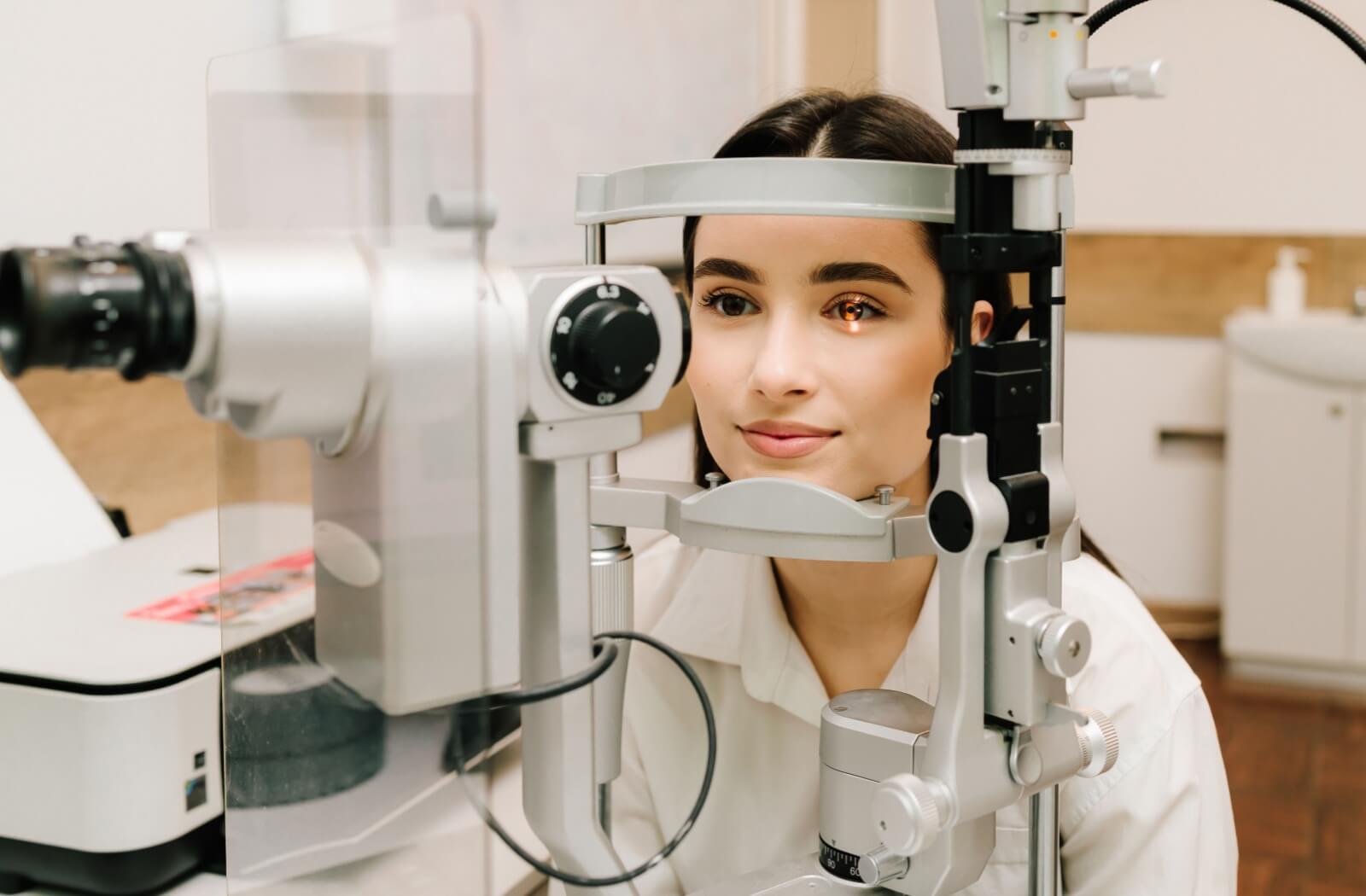
PBM isn’t a 1-size-fits-all treatment. Different conditions call for different wavelengths, intensities, and session frequencies. What works for dry eye is different from what’s used for AMD, which is why a thorough evaluation comes first. A specialty eye exam can help determine which approach fits your specific situation before treatment begins.
Results also take time. Most people see gradual improvement across multiple sessions rather than an immediate change after a single visit. Going in with realistic expectations helps you stay consistent with treatment.
Questions to Ask Your Eye Doctor
Before starting treatment, it helps to come prepared with a few key questions. Consider asking which wavelength is right for your specific condition and how many sessions you should plan for based on your diagnosis. You might also ask what signs to look for that indicate the treatment is working.
Some other ideas of questions to ask could include:
- Which wavelength (red, blue, or yellow) fits my condition?
- How many sessions are typically recommended for my situation?
- What changes should I watch for between appointments?
- Are there any activities or products to avoid during my treatment period?
Book Your Eye Exam
Our team at Eye Care Center of Colorado Springs can walk you through everything you need to know and help you understand what to expect at every step. If you’re curious about whether PBM or LLLT is right for your eyes, reach out to schedule a conversation with a member of our eye care team today.